Psychoactive Substances in Buddhist Practice in Premodern Tibet
Thu 29
October 2026
5:30 PM
- 7:00 PM
Did PREMODERN BUDDHISTS USE PSYCHOACTIVE SUBSTANCES IN CONTEMPLATIVE
PRACTICE? Most scholars say no. This talk challenges that consensus.
Drawing on early Great Perfection (Dzogchen) writings in TIBETAN, it
presents what appear to be the first unambiguous instances in
PREMODERN BUDDHIST LITERATURE WHERE CULTIVATING AND CONSUMING
PSYCHOACTIVE FUNGI IS PRESCRIBED AS AN INTEGRAL PART OF THE PATH, a
means of hastening awakening. The talk argues that the prevailing
scholarly view needs correction, and that the early Great Perfection
tradition, along with other traditions joining medicine and
meditation, offers a valuable resource for understanding how PREMODERN
BUDDHISTS VIEWED PSYCHOACTIVE SUBSTANCES IN DEVELOPING CONTEMPLATIVE
EXPERIENCE. Through close reading of the key passages in their broader
contexts, it considers what these might mean for practitioners and
scholars today and suggests how text-historical research could inform
contemporary scientific investigations of contemplation and
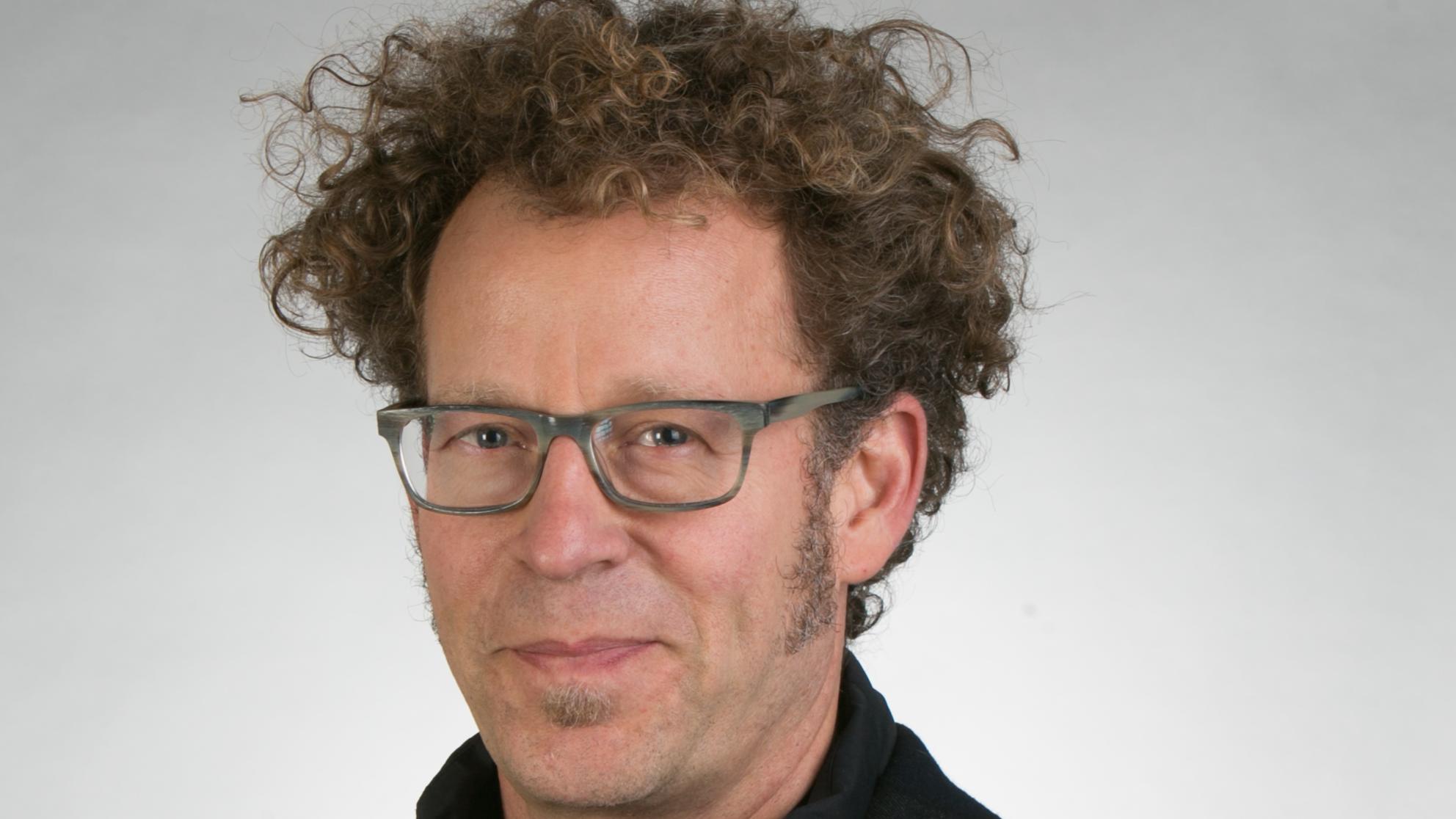
PSYCHOACTIVE SUBSTANCES.JAMES GENTRY received his PhD in Religious
Studies from Harvard University in 2014. He went on to work at the
Rangjung Yeshe Institute Centre for Buddhist Studies at Kathmandu
University, University of Virginia, and 84000: Translating the Words
of the Buddha, before landing at Stanford University in 2019, where he
is currently Associate Professor of Religious Studies. He is the
author of the Bodhisattva’s Body in a Pill (University of Virginia
Press, 2026); Power Objects in Tibetan Buddhism: The Life, Writings,
and Legacy of Sokdokpa Lodrö Gyeltsen (Brill, 2017), and articles
relating to the material culture, rituals, and texts of Tibetan
Buddhism, particular its Nyingma tradition. His current projects
include a history of Nyingma polemics and a study of the material and
contemplative culture of the early Heart Essence tradition.
culture
philosophy
447
Views
15/10/2026 Last update
Mangalam Research Center for Buddhist Languages
2018 Allston Way, Berkeley, 94704, California, United States
Reach interested users in Berkeley to increase engagement by 10X.
Are you an event organizer?
Create events for free. They will be immediately recommended to interested users.